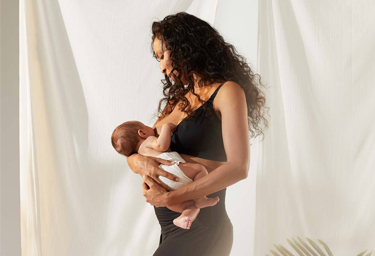









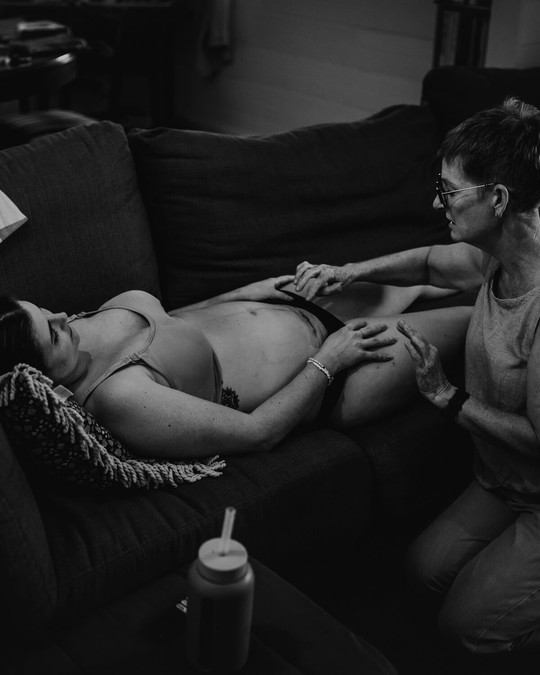
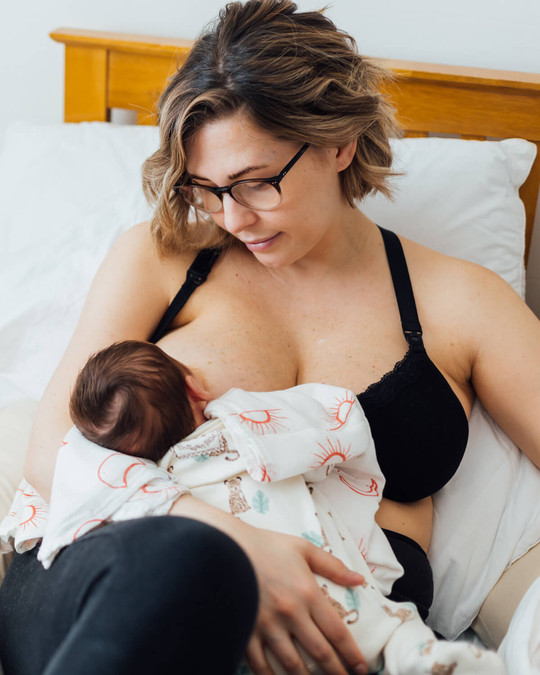
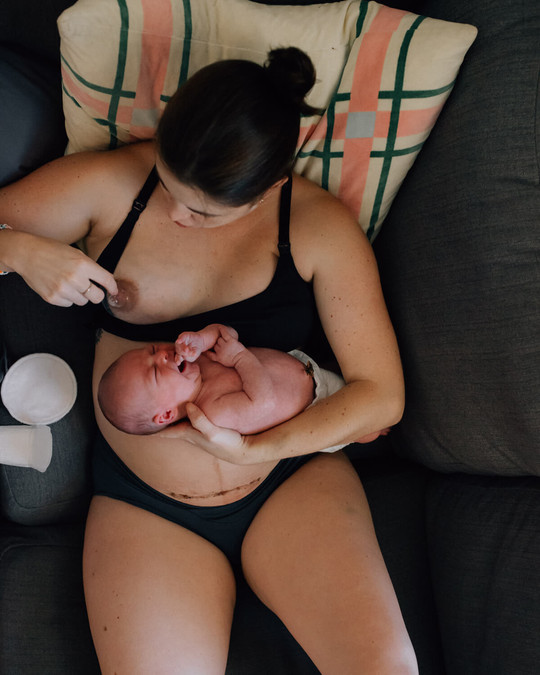


















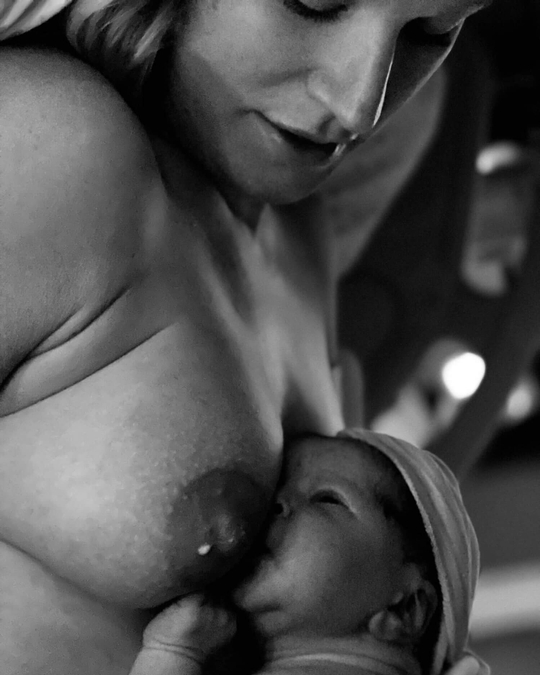


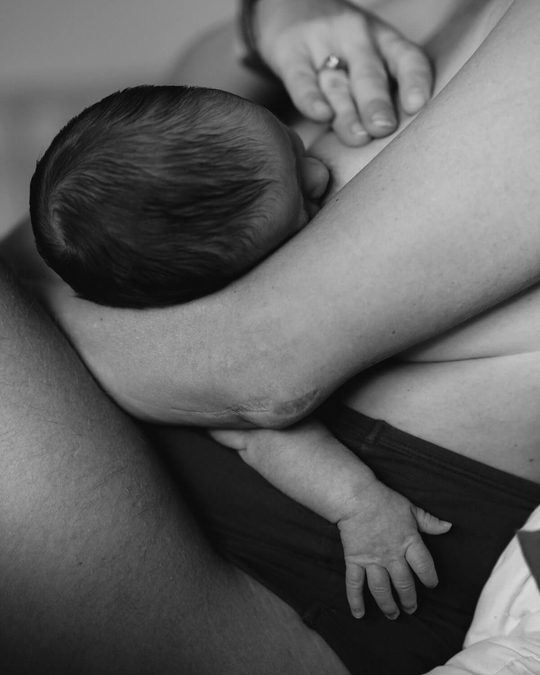

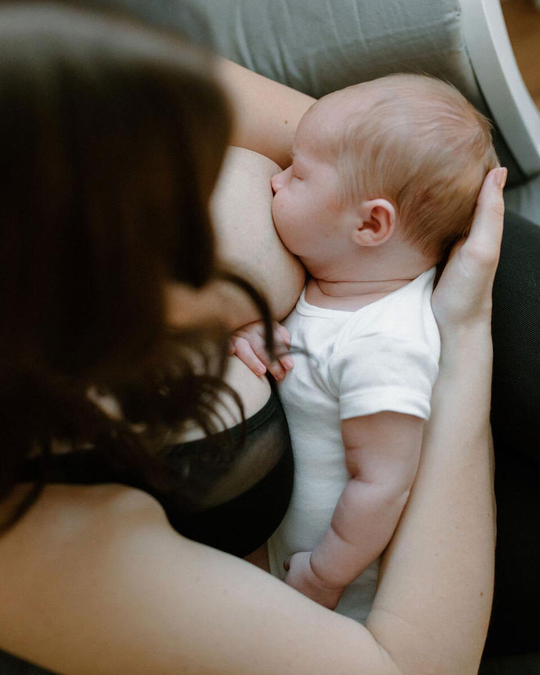









































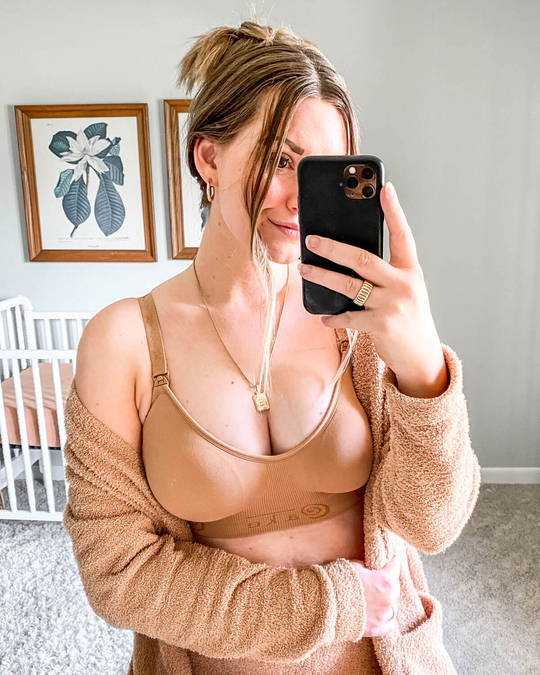


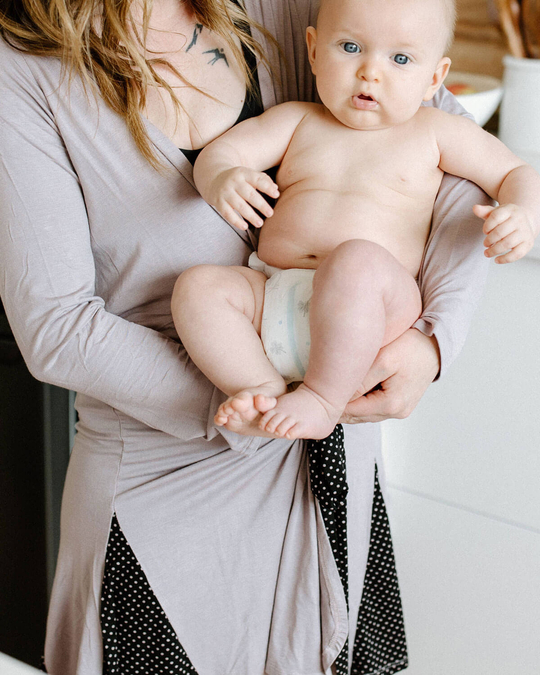
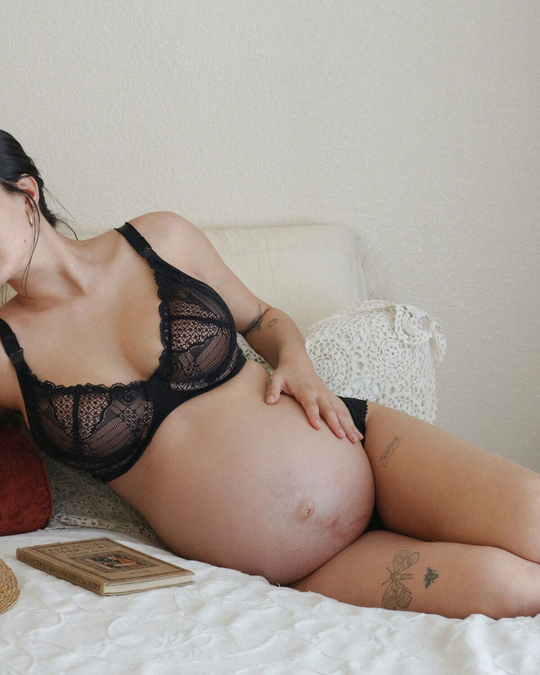
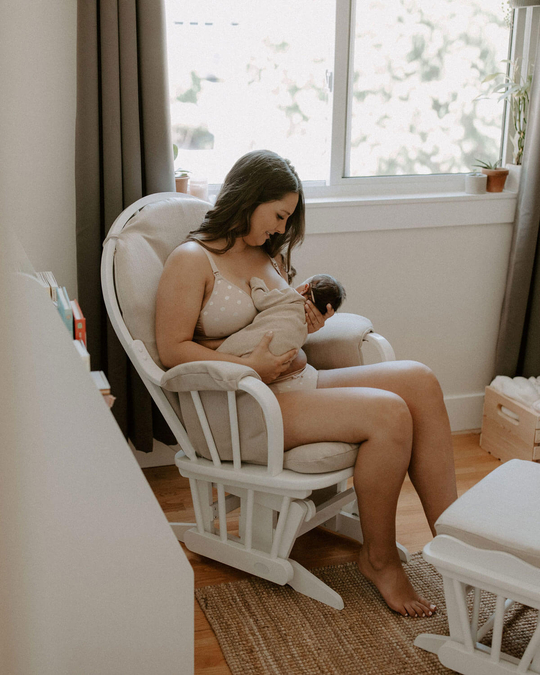





Nursing bras are more than a wardrobe essential; they’re your secret weapon, the kind of support system you’ll lean on daily through pregnancy and breastfeeding.
As your body shifts, changes, and surprises you, the right bra can be the difference between only just getting through the day and feeling genuinely comfortable in your skin. Fluctuating sizes, tenderness, leaks, and the ongoing quest for “something that actually fits” are all part of the journey.
Your bra size can change up to 5 times throughout pregnancy and breastfeeding, so it can feel like you’re chasing a moving target.
This guide is here to simplify everything. Think of it as your expert companion, helping you choose, wear, and care for your nursing bras with confidence at every stage.
What Is a Nursing Bra?
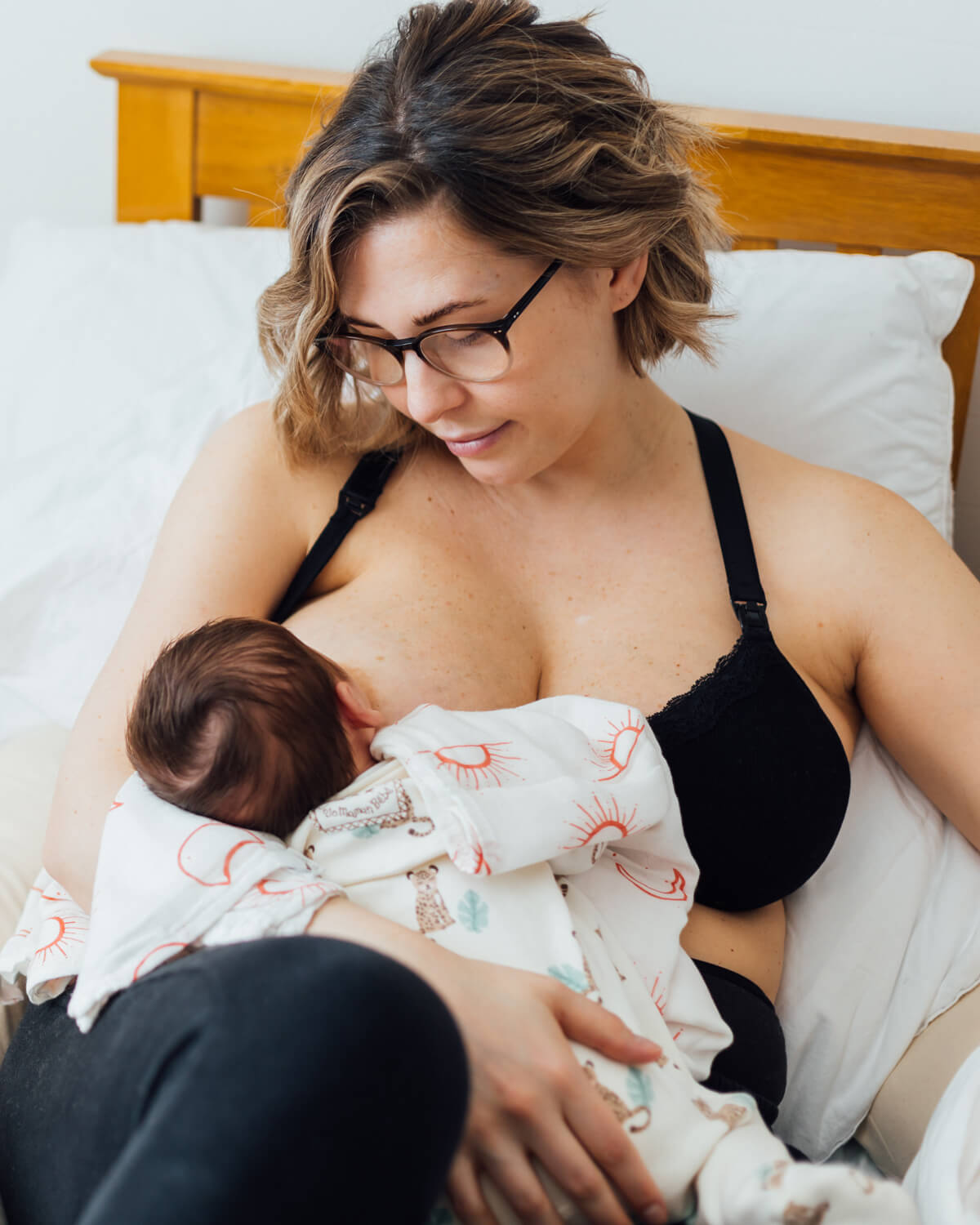
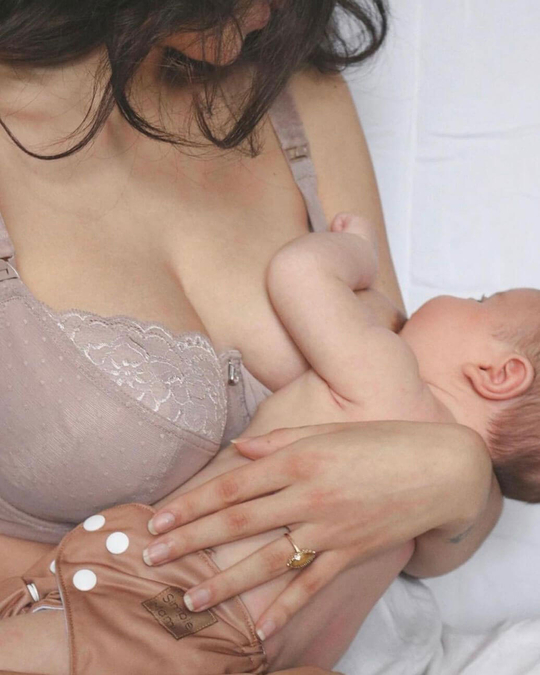
A nursing bra is a specially designed brassiere for breastfeeding mothers, created to make feeding easier with features that allow quick, one-handed access to the breast without needing to remove the bra.
It is designed to support you through both pregnancy and breastfeeding, when your breast size and sensitivity can change frequently. The main goal is to provide comfort, flexibility, and reliable support during this period of transition.
Key Features:
- Easy drop-down cups or other clever one-handed opening options
- Flexible fabrics that adapt to size fluctuations and retain shape
- Support that feels secure, never restrictive
- Wider straps and bands for all-day comfort
- 6 hooks and eyes for ribcage expansion during pregnancy and reduction post-partum
How It Differs from Regular Bras:
- Designed for constant size changes
- Built for comfort first, knowing the pregnant and breastfeeding anatomy
- Allows for easy breastfeeding access
- Helps reduce unnecessary pressure on sensitive breast tissue, including milk ducts
The key difference lies in its purpose: a nursing bra is designed not just for support, but to adapt with your body and make breastfeeding more convenient and comfortable during a time of constant change.
Nursing Bras vs Maternity Bras
The difference is straightforward once you look at when they’re used and what they’re designed to do.
Maternity Bras
- Made for pregnancy
- Focus on comfort and growth
- No feeding access
- Usually less structured
Nursing Bras
- Made for breastfeeding
- Include easy feeding functionality
- Provide ongoing postpartum support
Can One Bra Do Both?
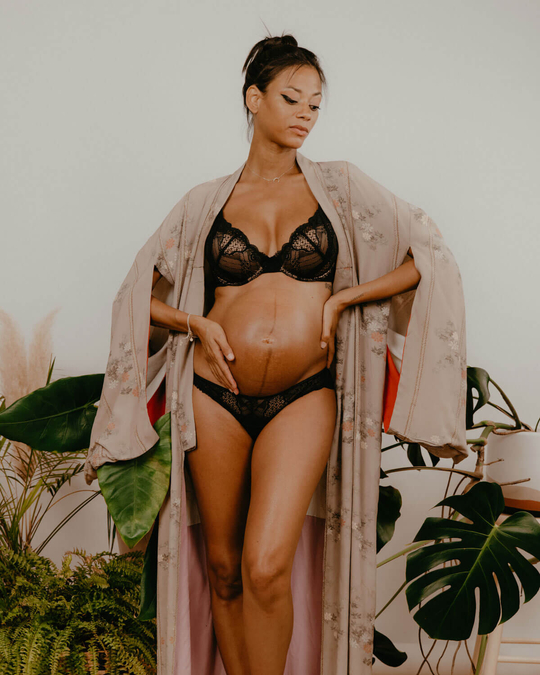
Yes, and the best ones do. Many nursing bras are now designed to be worn during both pregnancy and breastfeeding. Because breast size and sensitivity can change throughout these stages, styles made with soft, flexible fabrics and adaptable sizing can help provide comfort and support for longer.
Cake Maternity styles are created with this transition in mind, offering support as your body changes over time. Our nursing bras are made to adapt to fluctuating breast size during pregnancy and continue providing comfort and function through breastfeeding, helping make feeding easier and more discreet when needed.

When Should You Start Wearing a Nursing Bra?
You can start wearing a nursing bra in the late stages of pregnancy (usually the third trimester) or right after giving birth, depending on your comfort and needs.
There is no exact “right time” to switch. Many women move to nursing bras whenever their regular bras no longer feel comfortable. The best choice is one that adapts with your body and supports you through both pregnancy and breastfeeding.
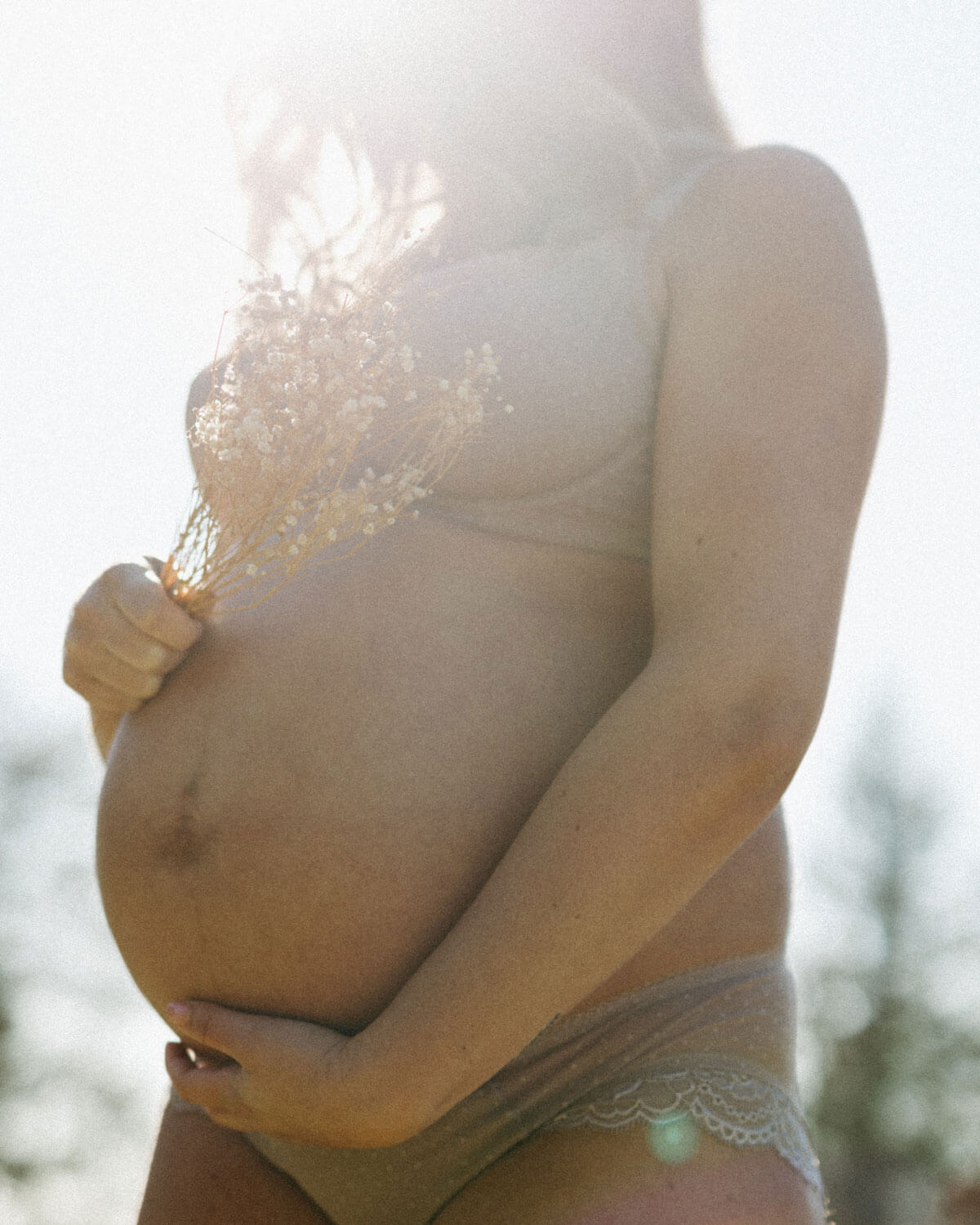
During Pregnancy
Many women switch to nursing bras before the baby arrives because
- Breasts begin to increase in size and sensitivity
- They may feel heavier or more tender
- The body is naturally preparing for milk production and feeding
First Trimester:
Breast changes often begin early in pregnancy as the milk ducts start to develop, which is an important part of preparing for breastfeeding.
During this time:
- Seamless bras recommended and is often more comfortable
- Gentle support helps accommodate early changes without unnecessary pressure
- Avoiding overly tight or restrictive bras may help reduce discomfort as breast tissue becomes more sensitive
Second & Third Trimester:
As pregnancy progresses, breast size may continue to change, while the ribcage also gradually expands to accommodate the growing baby.
During this stage:
- Many women move into more structured, cup-sized or flexi-wired maternity or nursing bras for added support
- Adjustable features (such as multiple hook-and-eye settings) can help accommodate changes in ribcage size
- A well-fitting bra should feel supportive, but still comfortable throughout the day
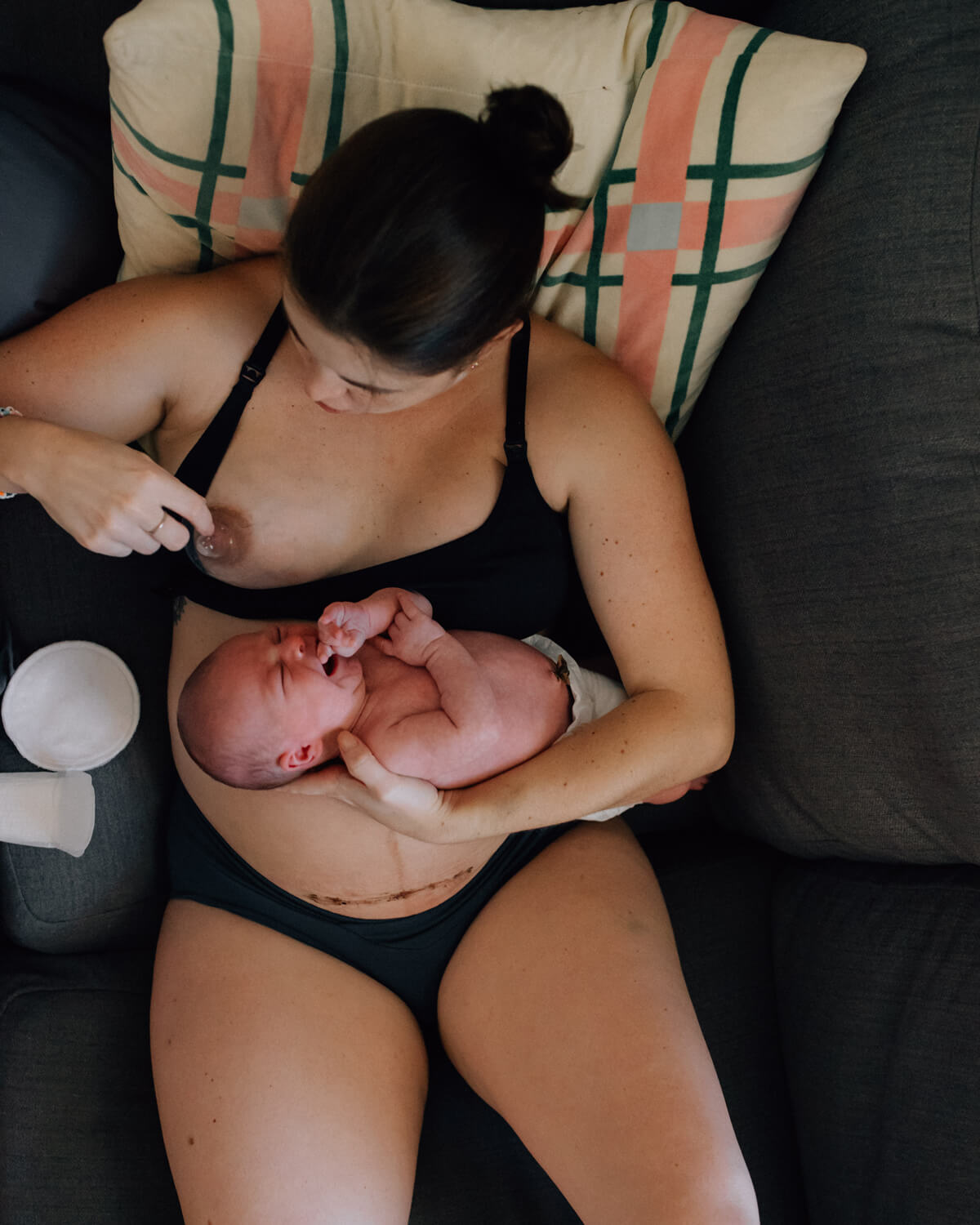
Postpartum
If you haven’t already switched during pregnancy, you’ll likely find a nursing bra helpful immediately after delivery, when breast changes can become more noticeable. This is because:
- Breasts may feel fuller as milk comes in
- Feeding becomes more frequent, requiring easy access
- Comfort and support become especially important during day and night use
First 6 – 8 weeks:
In the early postpartum period:
- Seamless, soft bras are often preferred for comfort
- Breast size can fluctuate significantly as milk supply regulates
- Ribcage size may still be adjusting after pregnancy
A properly fitting bra should allow for gentle expansion and adjustment without feeling tight or restrictive.
Signs You’re Ready
- Your current bras feel tight or uncomfortable
- You notice rapid breast size changes
- Your breasts feel more sensitive or heavier
- You want to prepare for breastfeeding early
Types of Nursing Bras (and When You’ll Love Them Most)
Nursing bras come in different styles designed for specific needs, lifestyles, and stages of breastfeeding. Most mums end up using more than one type depending on the time of day or activity.
1. Wireless Nursing Bras
The everyday essential you’ll reach for again and again.
Best for: Daily wear, including long hours and early postpartum recovery
Why you’ll love it: Gentle support without pressure
Cake pick: Popping Candy busty maternity and nursing bra is a cult favourite for a reason, offering seamless comfort with impressive support specifically for the fuller bust
When to wear: Anytime during your pregnancy, immediately postpartum and established breastfeeding
2. Sports Nursing Bras
For when life (or your baby) keeps you active.
Best for: Active days, workouts or just running around
Why you’ll love it: Secure, breathable support
When to wear: Exercise, on-the-go days or if you want to feel more secure
3. Sleep Nursing Bras
Soft support for rest and night feeds.
Best for: Overnight wear, resting, and managing leaks
Why you’ll love it: Feels barely there, but still supportive
Cake pick: Milk bamboo sleep nursing bra is made from super soft cotton modal, is lightweight, breathable, has wicking nursing pad pockets to keep them in place and you dry, and has a supportive back frame to ensure the straps don’t fall off your shoulders when trying to catch a few zeds.
When to wear: Sleeping (or trying to), lounging and 24 hr wear
4. T-Shirt Nursing Bras
Your smooth, invisible-under-everything staple.
Best for: Everyday wear under fitted clothing
Why you’ll love it: Seamless shape with reliable support
Cake pick: Lamington t-shirt nursing bra is a polished, balconette, flexi-wired, moulded, 3D spacer, breathable cup (no foam), supportive, and perfect under all sorts of tops
When to wear: Work, outings, daily life
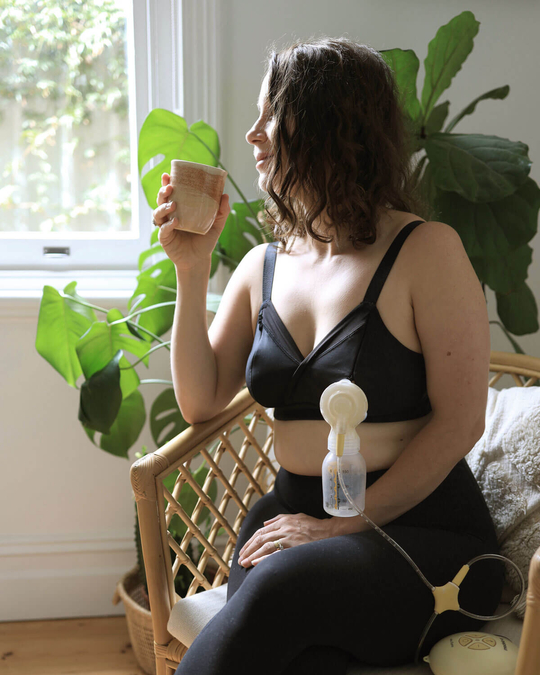
5. Pumping Bras
Designed for hands-free expressing. Your multitasking hero.
Best for: Working/busy mums, regular pumping routines, mums with other children
Why you’ll love it: Freedom to move, hold your baby, nurse from the other side, sip tea, reply to messages… basically juggling life, all while pumping
When to wear: During pumping sessions, work hours or expressing
There is no single “best” nursing bra. Each style serves a different purpose. Most mums benefit from having a combination of bras that support comfort, feeding access, rest, and daily activity throughout their breastfeeding journey.
Learn more: Types of Maternity & Nursing Bras
How to Choose the Right Nursing Bra
Finding “the one” isn’t as daunting as it sounds. This all depends on what stage you’re at, what activities you wish to do in it, what size you are and of course, your style and taste. We’ve got something for everyone. You didn’t just have one bra before becoming pregnant; that’s why there are so many in our range.
Fit Priorities:
- A snug band should feel like a firm hug, never restrictive.
- Cups that fully contain your breast tissue at the wire/channel and the upper cup edge and underarm.
- Centre front that is sitting on or very close to your chest wall, not like a bridge between your boobs.
- Straps that can be adjusted to ensure the cups are sitting perfectly.
Cake tip: Nipples should be facing forward, in the middle and at the deepest part of the cup
Fabric Considerations:
- Breathable materials and yarns such as wicking microfibres, spacer fabrics, cotton linings, modal and bamboo blends
- Double layers ensures durability
- High elastane content (above 10%) to ensure stretch and recovery, again and again.
Lifestyle Check-In:
- Are you home-based or heading back to work?
- Pumping regularly or feeding on demand?
- Need all-day structure or lounge-level softness?
- Or D) all of the above?
Bust Size Considerations:
- Fuller busts need more structured, engineered support; styles like Popping Candy are designed with this in mind
Nursing Bra Size Guide
Your size will change (a few times); sorry, it’s just part of the process. Finding the right nursing bra size is important for both comfort and support, especially as your breast size can change throughout pregnancy and breastfeeding.
A well-fitting nursing bra should feel supportive without being too tight, allowing room for natural fluctuations while still providing easy access for feeding.
What to Expect:
- Breast growth during the first trimester
- Ribcage expansion in the 2nd and 3rd trimesters
- 6 – 8 weeks post-partum when your milk comes in can be dramatic increase in cup size, ribcage remains expanded and fluctuations occur depending on your feeding routine
- 2 – 6 months post-partum is when your milk production and cup size should regulate and your ribcage will slowly contract back too.
How to Measure:
- Measure your underbust/diaphragm for band size (can we add pics to show)
- Measure the fullest part of your bust (can we add pics to show)
- Refer to our online size calculator for your size
Helpful Tips:
- For the first 3 months of pregnancy, start wearing your bra on the tightest hook. As your ribcage expands, you can move out one hook each month. By the time you reach nine months, you’ll be at the last hook, thanks to our six rows of hooks and eyes.
- The top edge of the cup should feel comfortable, not restrictive. You should be able to slide two fingers under it easily, allowing for natural size fluctuations without digging in.
- The wire or cup channel should sit flat against your chest wall, fully encasing your breast tissue. It should never encroach on the breast tissue itself, as this can cause discomfort and affect milk ducts, which can lead to problems later on.
When to Get Fitted:
- First trimester
- 6–8 weeks postpartum
- Anytime you don’t feel like something is not fitting or is uncomfortable

How Many Nursing Bras Do You Need?
Each mama is different and this all depends on your personal situation but recommended is 3–5 bras.
Your Rotation Might Look Like:
- 1 for the day
- 1 for the night
- 1 in the drawer
- 1–2 in the wash
Because leaks, spills, and life happen.
Common Nursing Bra Problems (and How to Fix Them)
As your body changes during pregnancy and breastfeeding, it’s common to experience nursing bra issues. Understanding these problems and knowing how to address them can help make breastfeeding more comfortable and ensure your nursing bra fits and functions properly throughout your journey.
1. Blocked Milk Ducts
Possible Causes / Contributing Factors:
- Tight, restrictive bras can contribute.
- Milk ducts develop in the first trimester, so opt for a nursing bra sooner rather than later.
- Any pressure for an extended period of time can contribute, such as seat belts, an uncomfortable position or lying on your stomach.
Solution:
Choose soft, flexible styles like Tiramisu ultimate nursing bra and ensure a proper fit.
2. Itchy, stretched skin
Possible Causes / Contributing Factors:
- Hot days
- Increased blood flow
- Ligaments elongating
- Non-breathable synthetics
- Bras that don’t fit properly, either too big or too small
Solution:
Breathable yarns, cotton lining and a perfect fit to ensure your breasts aren’t squashed together.
3. Sensitive nipples
Pregnancy hormones are working hard to prepare your breasts for nursing, which may make your nipples sensitive
Possible Causes / Contributing Factors:
- Bras with seams over the nipples might cause irritation
- Unsupportive bras can lead to more movement
- Ill-fitting bras may increase friction of the nipple
Solution:
A perfectly fitted and supportive bra that has moulded cups such as Cotton candy
4. Sore or Tender Breasts
Possible Causes / Contributing Factors:
- Breasts need support equally with comfort. If your breasts aren’t supported, the delicate tendons in your breast tissue may strain (stretch and eventually sag) with the weight of your breasts.
Solution:
Choose soft, flexible styles like Tiramisu and ensure a proper fit.
5. Leaking
Possible Causes / Contributing Factors:
- Completely normal—and often unpredictable.
Solution:
Use nursing pads and opt for supportive, breathable bras.
6. Poor Fit
If it feels wrong, it probably is.
Possible Causes / Contributing Factors:
- Cluster feeding resulting in greater fluctuation
- You could be between sizes and stages, needing a new sized bra
- Hormonal shifts can contribute
- Garment is worn out or has lost elasticity
- Bra has not been adjusted correctly for strap length or underband fit
- Introducing solids or extended breastfeeding
Solution:
Re-measure regularly and ensure you’re adjusting the straps and are wearing it on the right hook and eye for your month of pregnancy or breastfeeding.

Can You Sleep in a Nursing Bra?
Yes and recommended to; many women find it makes nights easier whether they’re feeding through the night or not.
When It Helps:
- Managing leaks
- Supporting fullness
- Keeping boobs in place
- Nighttime feeding
- When you need to get up during the night
Best Options:
- Sleep bras like Milk, Biscotti or Lotus
- Soft wireless bra styles
Keep in Mind:
Nothing tight. Nothing restrictive. Comfort leads the way.
Cake tip: Look for styles that lack adjustable straps, hooks, and eyes, as these could disrupt a comfortable sleep.
Cake tip 2: Preparation is key. If you don’t usually sleep in a crop top or nursing bra, start wearing one at around 5 months to get used to it.
Nursing Bras for Different Needs
Every breastfeeding journey is different, which is why nursing bras come in a variety of styles designed to suit different body types, lifestyles, and comfort preferences.
Choosing the right nursing bra for your specific needs can make a big difference in comfort and convenience.
- Fuller bust: Look for structured support, wider straps, and strong bands. Hello, Popping Candy
- Smaller bust: Soft, lightweight with moulded foam cups like Tutti Frutti
- Sensitive skin: Seamless designs or cotton linings
- Work/office: Smooth, structured styles with moulded cups seamless silhouette like Lamington
- Overnight: Soft, breathable, barely-there styles like Milk

How to Care for Your Nursing Bras
A little care keeps them working longer. Proper care can help your nursing bras stay comfortable, supportive, and long-lasting throughout pregnancy and breastfeeding.
Since nursing bras are worn frequently and go through regular stretching and washing, caring for them correctly can help maintain their shape, elasticity, and fit while ensuring they continue to provide the support you need.
Washing Tips:
- Gentle cycle
- Cold water
- Mild detergent
Drying:
- Skip the dryer
- Skip the sun (if you can), dry in the shade
Pro tip: Elastane (the stretchy stuff that makes your bra stretch and recover) deteriorates in heat such as dryers/sun.
When to Replace:
- Loss of support
- Stretched band
- Fabric wearing thin
- Doesn’t feel the same
Signs Your Nursing Bra Doesn’t Fit
A properly fitting nursing bra should feel supportive, comfortable, and flexible enough to accommodate natural breast changes throughout breastfeeding.
Recognising the signs of a poor fit early can help prevent discomfort and ensure better support during your nursing journey.
- Band riding up
- Cups overflowing or gaping
- Straps digging in or falling off your shoulders
- Any discomfort or pressure

Expert Tips for Comfort & Support
The right nursing bra can make a significant difference in your daily comfort, especially as your body continues to change throughout pregnancy and breastfeeding.
From choosing the correct fit to selecting supportive yet flexible styles, a few simple adjustments can help improve comfort, reduce pressure, and provide the support you need throughout your nursing journey.
- Rotate multiple bras
- Don’t wear the same bra for more than 24 hours
- Get fitted if in doubt
- Reassess your size as your body changes
FAQs
Choosing the right nursing bra often comes with plenty of questions, especially for first-time mamas navigating pregnancy and breastfeeding changes.
Below are answers to some of the most common nursing bra questions to help you feel more informed, comfortable, and confident when selecting the right fit and style for your needs.
Do I really need a nursing bra?
Not essential; but once you wear one, it’s hard to go back. If you are breastfeeding, it’s not only about accessing your boob for feeding on the go, it’s about the way the bra has been painstakingly crafted with lactating breasts in mind.
Can I use a regular bra while breastfeeding?
You can, but it won’t offer the same flexibility, ease, support or comfort. If you have a larger bust, you’re more likely to require support, comfort and the nursing ability that a regular bra just cannot offer if you’re to have the prior two.
Are underwire nursing bras safe?
If they are a flexi-wire, then yes, if fitted properly and ensuring that the wire (the flexible one) is sitting entirely on the chest wall (ribcage) and no breast tissue is being contained by the wire.
Any bra whether flexi-wired or not, if too small, may cause damage.
How often should I replace them?
Depends on wear, how you treat them, how you wash them, how many you rotate. This also relies on your personal preference.
Can they affect milk supply?
A poor fit may; comfort and correct sizing matter. Please note, this is for any bra, not just a nursing or maternity bra. Your milk ducts start to develop in the first trimester, so it’s important to take care of them (your breasts) from early on in your pregnancy, even though you may not be ‘showing’ yet.
Conclusion
During a time when much of the focus is on your baby, choosing the right nursing bras helps you focus on your own style, comfort, support and confidence. It goes beyond achieving the correct fit; it plays an important role in how you feel throughout pregnancy and breastfeeding, physically and mentally.
A well-designed nursing bra provides support as your body changes through stages and fluctuations, helps maintain breast health, and makes feeding a breeze. These are the core foundations of all our bras.
At Cake Maternity, our nursing bras are created specifically with you in mind. Each style is thoughtfully engineered to deliver the right balance of fit, comfort and support, combined with refined design, shape and colour, so you feel supported throughout every stage.
Next step: Explore our range at Cake Maternity to find your perfect fit, supporting you through pregnancy, breastfeeding and beyond.