



































We’ve all been there: scrolling late at night, spotting a trendy top for the price of a coffee, and thinking, “Why not?” A few clicks later, it’s on its way. Fast fashion makes it easy to refresh your wardrobe without emptying your wallet.
Fast fashion brands thrive on low prices and rapidly changing trends. New styles appear weekly, sometimes daily, encouraging constant consumption. While it feels affordable at that moment, the long-term cost (to your wallet, your closet, your mental health and the planet to name a few) can be much higher.
Investing in quality pieces may cost more upfront, but it often saves money, reduces waste, and creates a more timeless, versatile wardrobe in the long run.
What Is Fast Fashion?
Fast fashion refers to inexpensive clothing produced quickly to reflect current runway trends and celebrity styles.
Key Characteristics:
- Trend-driven production: Designs move rapidly from runway to retail.
- Low-cost materials: Synthetic, thinner fabrics and cheap fittings are common.
- Rapid turnover cycles: New collections launch constantly.
- Mass production at scale: High volume, high waste, global distribution.
- Low price points: Designed to encourage frequent purchases.
- Free or discounted shipping: Another lure to close the deal.
Brands like Shein, Temu, and H&M are some of the brands potentially associated with this model.
Why It’s So Appealing:
- Affordable prices
- Instant access to trends
- Constant new arrivals
- Social media influence
- Convenience of online shopping
But convenience often hides deeper costs.
Why Investing in Quality Pieces Is Better
Choosing quality over quantity shifts your mindset from impulse buying to intentional purchasing. Here are ten compelling reasons to avoid fast fashion:
1. Better Cost Per Wear
A $150 coat worn for five years is cheaper over time than five $60 coats that fall apart each season. The more expensive coat is more likely to keep you warm with proper insulation and linings, and to be more comfortable on your body. It’s sometimes the hidden quality details that are not immediately visible or understood.
2. Higher Durability
Quality fabrics and construction last longer, meaning fewer replacements. Look for brands that have an extended returns policy for faulty goods.
3. Choose Classic
A timeless piece is often well made, so they stay as staples in your wardrobe year after year compared to trend-based items that won’t be relevant after a season.
4. Reduced Environmental Impact
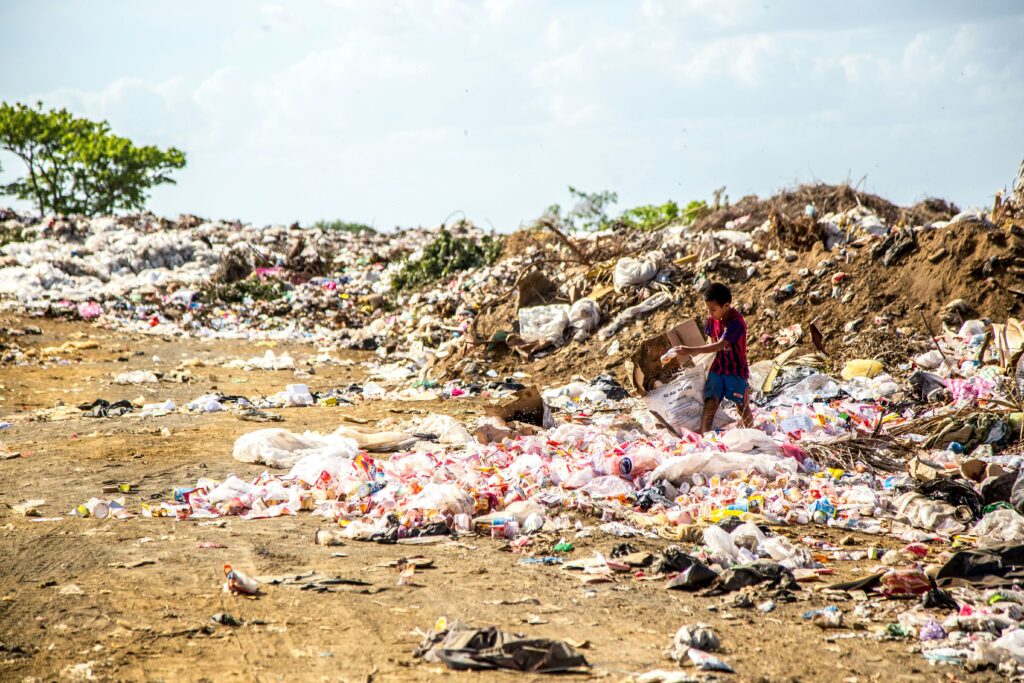
Fast fashion contributes heavily to textile waste and pollution. Buying fewer, better pieces reduces landfill waste and resource consumption. Fast shipping also means higher fossil fuel use and packaging to get them to your door, adding to gridlock traffic.
5. Ethical Labour Practices
Higher-end, transparent brands are more likely to ensure fair wages and safer working conditions.
6. Better Fit and Comfort
Quality garments tend to fit you better, feel more comfortable, and maintain their shape after washing because they are more likely to use higher-denier, more refined yarns and stress-tested closures from the beginning.
7. Less Closet Clutter
Fewer, versatile items simplify outfit choices and streamline your morning routine when getting ready. Less clutter means a calmer mind, too.
8. Stronger Personal Style
When you invest thoughtfully, your wardrobe reflects your identity, not just trending trends. This approach also sets your signature style.
9. Improved Resale Value
Quality brands often retain value and can be resold or handed down.
10. Long-Term Savings
Although the upfront cost is higher, fewer purchases over time usually mean spending less overall. Fast fashion brands are often copied by scammers to steal your credit card details so the headache of fraud can be minimised if you purchase through the proper sites.
How to Transition Away from Fast Fashion
Shifting your habits doesn’t have to happen overnight. Here are practical steps:
1. Audit Your Closet
Identify what you wear regularly and what you don’t. Notice patterns in fit, colour, and fabric. If you haven’t worn an item for over 12 months, it’s time to donate or sell.
2. Calculate Cost Per Wear
Before buying, estimate how often you’ll realistically wear the item.
3. Prioritise Staples
Start by upgrading essentials: jeans, coats, shoes, and just one signature handbag.

4. Research Brands
Look for companies that focus on craftsmanship, transparency, and sustainability.
5. Buy Secondhand
Opportunity shops, vintage shops, and resale platforms offer high-quality items at lower prices.
6. Wait Before Purchasing
Implement a 24-hour rule to avoid impulse buying or a 7pm rule.
7. Care for Your Clothes
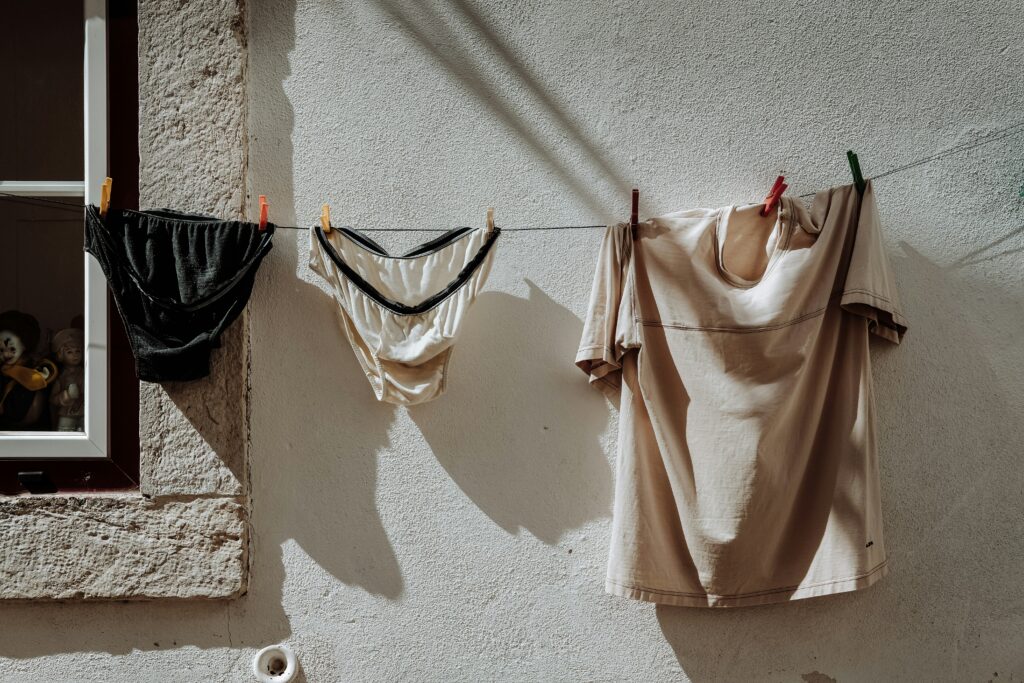
Wash gently, air dry when possible, and repair minor damage to extend lifespan. Buy quality detergent, separate your colours and follow the label’s instructions.
You might also like: Nursing Bra Care Guide — How to Properly Maintain Your Bras
8. Build Slowly
Focus on adding one high-quality piece at a time rather than replacing everything at once.
Conclusion
Fast fashion makes it easy to chase trends at low prices, but the true cost often shows up later in the form of clothes that aren’t durable or breathable, wasted money, and environmental harm.
Investing in quality pieces offers durability, timeless style, better comfort, and long-term savings. Instead of buying more, consider buying better. A thoughtfully curated wardrobe not only lasts longer, but it also feels better to wear and aligns with a more sustainable lifestyle.
Buy less. Choose well. Make it last.